
The Men Inside The Suits
This short documentary celebrates the sapeurs of The Republic of the Congo.

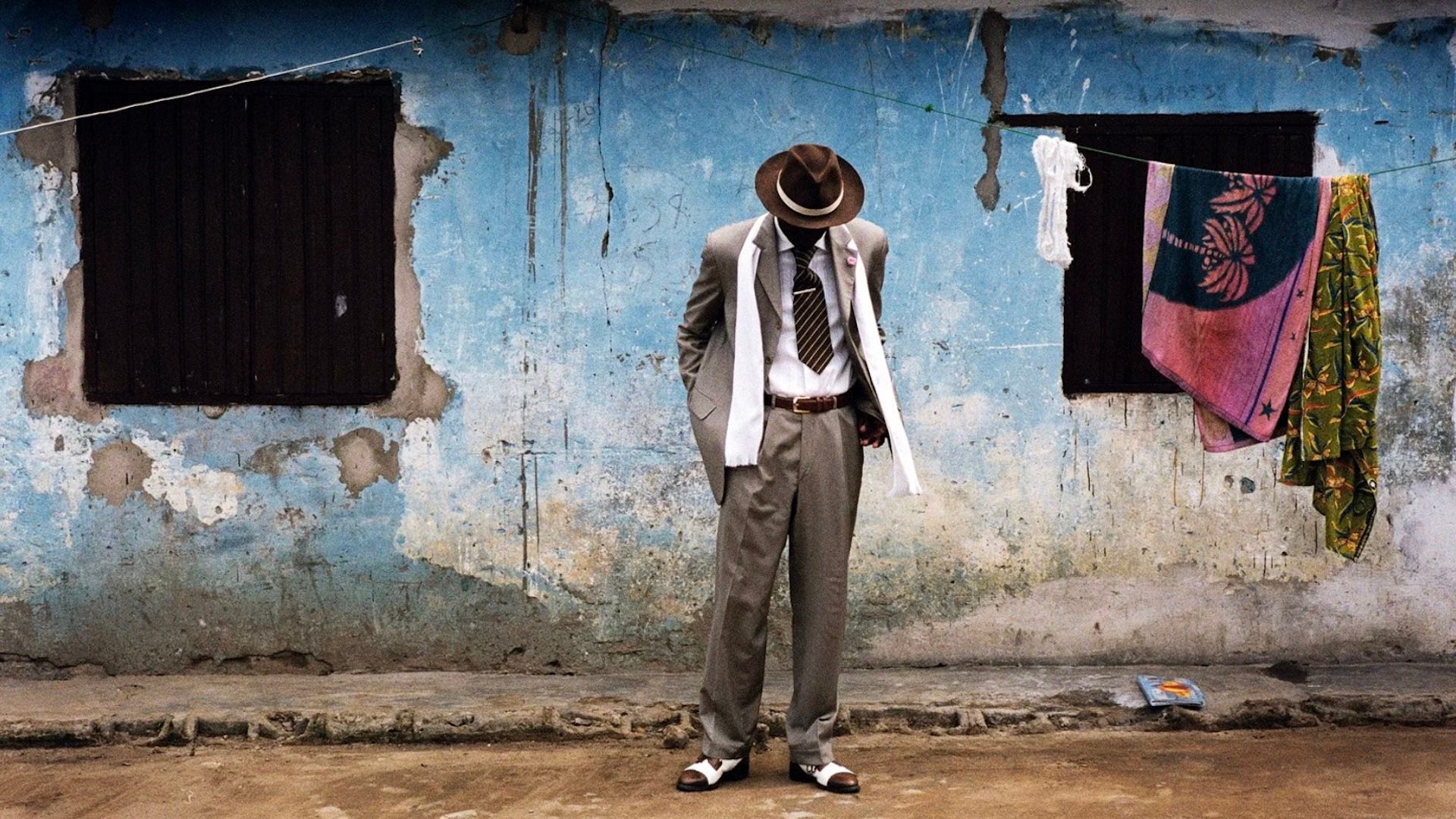
©️ Héctor Mediavilla
Synopsis:
The best-dressed documentary of all time, about the ‘society of elegant persons of the Congo.’
Accolades:
A Grand Clio, as well as honours at Cannes, The One Show and other major advertising awards.
The Republic of the Congo | 2014 | 5 min
Did you know?
“In life, you cannot always choose what you do, but you can always choose who
you are.”
That’s the opening line of the Guinness Sapeurs ad, which celebrates the ‘society of elegant persons of the Congo.’
The Republic of the Congo | 2014 | 1 min 40
Adland makes its money spotting trends and capitalising on them, so there’d already been growing interest in the Sapeurs.
Popularised by Congolese music icon Papa Wemba from the 1970s onwards, La Sape became the subject of two acclaimed photography books: Daniele Tamagni’s Gentlemen of Bacongo (2009) and Héctor Mediavilla’s S.A.P.E. (2013), a collaboration with Congolese author Alain Mabanckou.
”The white man has invented the suit. We have made an art of it.”
Papa Wemba
Another breakthrough moment came with Losing You, a sapeur-inspired music video directed by Melina Matsoukas for Solange Knowles. Filmed in Cape Town rather than the Congo, it won Best Pop Video – International at the 2013 UK Music Video Awards and has over 35 million YouTube views.
South Africa | 2012 | 4 min
Mediavilla had already spent seven years photographing the movement when Guinness hired him to to contextualise the ad above with a five-minute documentary about the Sapeurs.
As Mediavilla reflects on his website, “This Guinness campaign was very successful and made sapeurs better-known around the world. Personally, after struggling with my internal contradictions (should I accept a commercial assignment on a topic I knew very well since years, which I had already deeply documented or not?), I was happy to help my Congolese friends to get reasonably well payed for their work and get more audience for their art.”
Of course, there is much to debate here, as Ethan Zuckerman explores, including questions of appropriation and appropriateness.
“At the start of the 20th century when the French arrived in the Congo, the myth of Parisian elegance was born among the youth of the Bakongo ethnic group, who were working for the colonisers. At that time, many considered white men to be superior, due to their sophistication and elegance,” says Mediavilla on his website. “In 1922, Grenard André Matsoua was the first Congolese man ever to come back from Paris dressed as a genuine Frenchman. His arrival caused great admiration among his fellow countrymen; he became known as the first Grand Sapeur.”
Should we glamourise a consumerist movement inspired by colonial fashion?
These are debates worth having, especially since the campaign ran primarily outside Africa (Guinness had Made of Black running on the continent instead).
Whatever the origins and appropriateness of the movement, after watching you’ll be inspired to dress better and live with more joie de vivre.
Want to watch & discuss with a friend?